NHBC Roofing Standards
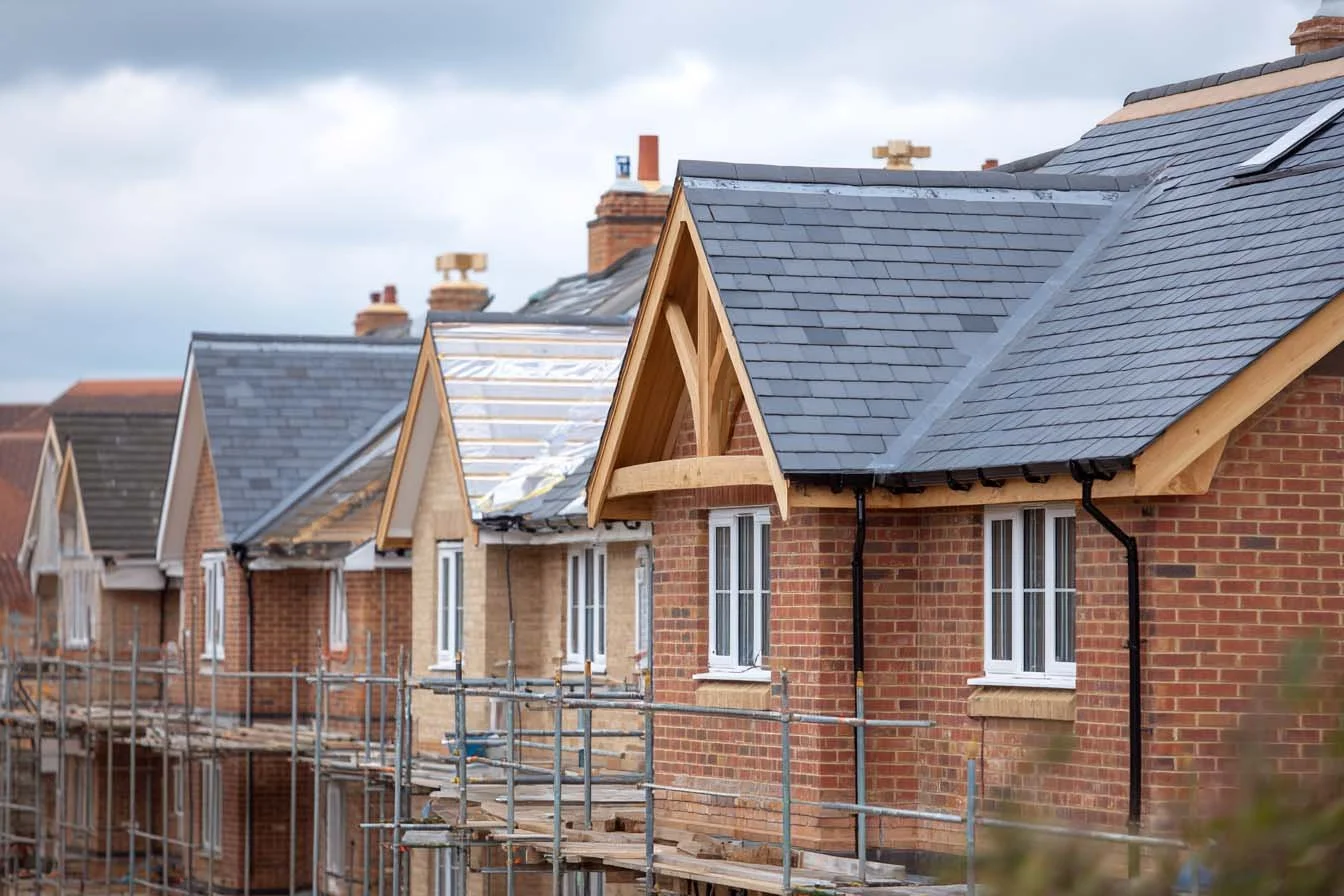
I've seen countless roofing issues that could have been avoided if builders had properly followed the NHBC Standards. Chapter 7.2, which focuses on pitched roofs, remains one of the most comprehensive guides for ensuring quality roof construction in new build properties.
When I conduct snagging inspections across the Midlands, roofing defects are amongst the most common issues I encounter. From inadequate ventilation to poor weatherproofing details, many problems stem from a failure to understand or implement the NHBC's detailed requirements. Let me share with you the key aspects of these standards that every homeowner should understand.
The NHBC Standards Chapter 7.2 provides extensive guidelines covering everything from basic compliance requirements to complex weathering details. These standards aren't just bureaucratic red tape - they're designed to ensure your new build home has a roof that will protect you for decades to come.
The foundation of these standards rests on compliance with British Standards, particularly BS 5534 for slating and tiling. When builders follow these requirements properly, you can expect a roof that offers safety, durability, and energy efficiency regardless of our often challenging British weather conditions.
Critical Design and Information Requirements
The NHBC standards mandate that clear, comprehensive documentation must be available to all site personnel. This includes detailed layouts of roof trusses, specific ventilation requirements, insulation positioning, and precise fixing arrangements.
Without proper documentation, even experienced tradespeople can make costly mistakes. I've seen situations where poorly communicated specifications have led to inadequate bracing, incorrect ventilation, or improper fire-stopping arrangements. These issues might not be immediately apparent but can cause significant problems down the line.
Structural Integrity and Load Distribution
The structural design requirements outlined in the NHBC standards ensure that pitched roofs can handle various loads including dead weight, imposed loads, and crucially, wind uplift forces. Living in the Midlands, we experience our fair share of severe weather, and I've witnessed firsthand what happens when roofs aren't properly designed for these conditions.
Wall plates must be properly bedded and fixed, typically measuring 38 x 100mm and extending over at least three structural members. The connection between the roof structure and these wall plates is vital for preventing uplift damage during storms. Where roofs must resist significant wind forces, metal straps should be installed according to geographical location and exposure conditions.
Truss Protection and Handling
Trussed rafters require careful handling and protection throughout the construction process. I regularly see damage caused by improper storage or handling of trusses on site. These engineered components should be stored vertically with proper support, protected from weather, and never modified without written approval from the truss designer.
The durability requirements specify that timber components must be preservative treated or possess adequate natural durability. This is particularly important for elements like tiling battens, fascias, and soffit boards that are exposed to moisture and weathering.
Ventilation and Condensation Control
Proper ventilation is absolutely critical for preventing condensation issues that can lead to timber decay and mould growth. The NHBC standards require compliance with BS 5250:2021, with ventilation strategies selected based on roof covering type, underlay, pitch, and ceiling construction.
During my inspections, I often find blocked ventilation pathways or inadequately installed eaves ventilators. Air and vapour control layers must be correctly positioned on the warm side of insulation in warm and hybrid roofs. These measures work together to manage moisture effectively and maintain the thermal efficiency of the roof structure.
Weatherproofing and Water Management
Weatherproofing details are where many roofing problems originate. The standards provide comprehensive guidance on flashings at abutments, roof penetrations, and changes in roof slope. All flashing materials should be non-ferrous, with lead flashings requiring a minimum 75mm upstand and proper securing in bed joints.
Valley construction and hidden gutters require particular attention to prevent water ingress. I've seen numerous cases where poorly constructed valleys have led to significant water damage. The standards specify that valleys should use appropriate materials and be constructed with proper drainage falls and weathering details.
Fire Safety and Compartmentation
Fire-stopping and cavity barriers represent critical safety elements that must be installed correctly. Fire-stopping at compartment wall junctions should extend into eaves areas and match the fire resistance of the compartment wall. These measures are essential for preventing fire and smoke spread within roof structures.
Combustible materials must be kept away from heat sources, and cavity barriers should be properly sized, tightly fitted, and mechanically fixed. During inspections, I pay particular attention to these details as they're crucial for occupant safety.
Modern Considerations
The standards have evolved to address contemporary construction methods and technologies. Solar panel integration requires careful consideration of weather tightness, proper fixing methods, and compatibility with existing roofing materials. Whether panels are 'on-roof' or integrated into the roof covering, they must be securely fixed to resist wind and snow loads whilst maintaining the roof's weatherproofing integrity.
Roof cassette systems, increasingly popular in modern construction, must be designed to safely transmit loads whilst providing adequate thermal performance, fire safety, and condensation control. These prefabricated systems require detailed design information and proper installation by competent operatives.
The Importance of Professional Inspection
Throughout my career, I've learned that understanding these standards is one thing, but ensuring they're properly implemented is another. Even experienced builders can overlook critical details, particularly when working under time pressures or dealing with complex roof configurations.
This is why professional snagging inspections are so valuable for new build purchasers. My role involves checking that these NHBC standards have been properly followed, identifying any defects or non-compliance issues before they become major problems. From my base in Coventry, I cover the entire Midlands region, helping homeowners ensure their new properties meet the high standards they deserve.
The NHBC roofing standards represent decades of accumulated knowledge about what makes a durable, safe, and efficient roof. As construction methods continue to evolve and we face increasing demands for energy efficiency and sustainability, these standards will undoubtedly continue to develop.
For homeowners purchasing new build properties, understanding these standards helps you appreciate the complexity involved in proper roof construction. More importantly, it highlights why professional inspection is so valuable in ensuring your new home meets these exacting requirements.
Whether you're in Warwickshire, the West Midlands, or anywhere across the region I cover, remember that a properly constructed roof following NHBC standards is an investment in your home's long-term performance and your family's safety and comfort.